Choose the best time to visit Oishi Park for your interests
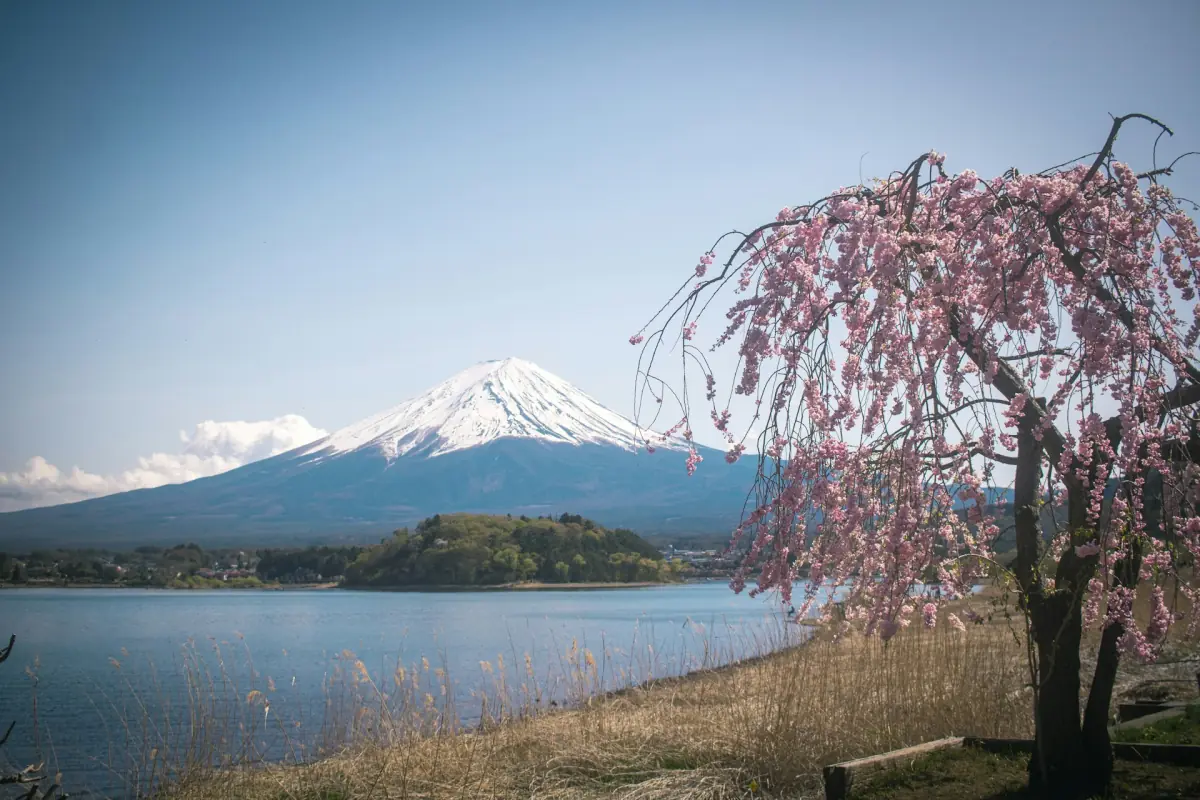
The best time to visit Oishi Park depends on whether flowers, autumn colour or a lakeside walk matters most. Lavender usually points to late June through mid-July, while red kochia is an October interest. Spring brings a different flower calendar. Winter is a colder visit with a different emphasis, and a clear view of Mount Fuji depends on the day's weather.
Start with a seasonal preference, then leave room for conditions on the day. Flowering dates are guides rather than appointments. If travelling specifically for one planting, read the lavender guide or kochia guide before fixing the journey. For a general visit, the flower path and lake setting give you a simpler focus than trying to match several seasonal peaks.

Spring flowers beside the lake
The operator's usual flower calendar places nemophila from mid-April to late May and roses from late May to mid-June. These windows help distinguish a spring visit from a lavender trip. Choose the flowers that interest you and keep the rest of the day adaptable, rather than expecting all the beds to reach their peak together.
Spring also calls for clothing that works beyond a warm afternoon. At Kawaguchiko, April's historical mean daily high is 16.1°C and its mean daily low 3.7°C. Those figures describe the station climate, so carry an extra layer for a visit that begins or ends outside the warmer part of the day.
Visit Oishi Park in your chosen season
Choose route A for Oishi Park and check the date for your preferred season.
Hand-picked tours, booked through GetYourGuide. Prices are indicative starting prices in US dollars (as of October 2026). Tap a tour for live availability and the current price in your currency.

A general day excursion with an Oishi route
Choose route A for the Oishi stop on this 11-hour regional excursion, with return transport and an English- and Korean-speaking guide. Route B's autumn foliage programme uses Maple Corridor instead of Oishi; meals and insurance are extra.
Lavender and the warmer months
Lavender usually flowers from late June to mid-July. Casablanca lilies are listed from early to late July, giving summer another flower interest. These are seasonal patterns, not a promise that a particular bed will look like a photograph on your chosen date. The Herb Festival ended as a scheduled event with the 2025 fiscal year; plan for viewing the planting rather than attending a new festival edition.
Summer is warmer and wetter than winter in the historical station figures. July's mean daily high is 27.2°C, its mean daily low 18.0°C and its mean monthly rainfall 178.4 mm. Plan a walk with room for a change in weather and a break. Use the Natural Living Center guide for the facilities rather than assuming the outdoor park's access hours apply indoors.
Autumn kochia and rain
Kochia is green from August, changes towards red in October and usually becomes golden brown by early November. The stages overlap in the seasonal descriptions, so choose October as a broad interest in red colour rather than fixing a guaranteed peak day. It is a different planting from maple foliage elsewhere around the lake.
September and October are relatively wet in Kawaguchiko's historical monthly comparison. Mean monthly rainfall is 264.7 mm in September and 230.0 mm in October. Allow a plan that still works in rain. For the wider autumn lake setting, see Lake Kawaguchi; keep that separate from the park's kochia display.
December and winter visits
Winter is drier in the historical comparison but colder, with mean daily lows below freezing. December's mean daily high is 8.5°C and mean daily low minus 2.9°C, while January's are 5.5°C and minus 5.7°C. Dress for cold conditions and take care if surfaces are icy. Choose winter for the lakeside setting rather than expecting the summer flower beds.
A drier month does not settle visibility on a particular day. Keep a mountain photograph as a possibility and let the weather determine the view. Plan transport to the park around the timetable for your date, especially if using the boat connection or returning after a cold outdoor walk.
Ideas for each season, from the flower path to the lake boat, are in the Oishi Park activities guide.
How to read the climate figures
All climate figures here are JMA normal values for Kawaguchiko for 1991 to 2020, consulted on 3 November 2026. Highs and lows are monthly averages of daily maximum and minimum temperatures, rather than extreme records. Rainfall is the average monthly total. These describe historical conditions at the lake-region station, not a forecast for your dates or weather on Mount Fuji's summit. Use a current forecast when packing and deciding how long to remain outdoors.
Turn the season into a visit


Seasonal planning questions
When should I come for lavender?
Late June to mid-July is the usual window. Actual flowering depends on the season, so use it as a planning range.
Is December suitable for a visit?
It can suit a cold-weather lakeside walk. Bring warm clothing, allow for frost and choose transport around your travel day's timetable.
Which autumn excursion route visits Oishi?
Select route A for the excursion shown here. Route B's autumn foliage programme substitutes Maple Corridor for Oishi.